Loading...
Screening agricultural soil fungi for antibacterial activity: Potential for natural antibiotic development
Mirza Rahat Ul Islam
,Israt Jahan Jeba
,Tahira Anwer
,Nishat Islam Borni
,Nishat Laila
,Md. Asaduzzaman Shishir
,Md. Fakruddin
Abstract
The rising global threat of antibiotic-resistant bacteria underscores the urgent need for new antimicrobial agents. Soil, particularly from agricultural environments, is a rich reservoir of diverse microbial communities with the potential to produce novel bioactive compounds. This study aimed to isolate and screen fungi from agricultural soil for their ability to inhibit bacterial growth, thereby identifying candidates for the development of natural antibiotics. A total of 20 fungal isolates were obtained from five types of vegetable soil samples collected from Dhaka and Mymensingh. Aspergillus flavus was the predominant fungus isolated from the soil samples in this study. These isolates were subjected to in vitro antibacterial screening against a panel of multiantibiotic-resistant pathogenic bacteria, including Escherichia coli, Staphylococcus aureus, and Pseudomonas aeruginosa, using the fish spine method. Of the fungal isolates, Aspergillus flavus demonstrated significant antibacterial activity. Preliminary results suggest that these soil-derived fungi have the potential to produce natural antibiotics, offering a valuable resource for combating bacterial infections.
INTRODUCTION
The discovery and development of antibiotics have revolutionized modern medicine, transforming once-lethal infections into manageable conditions [1]. However, the widespread and often indiscriminate use of these life-saving drugs has led to the emergence of antibiotic-resistant bacteria, posing a significant threat to global health [2]. The World Health Organization has identified antibiotic resistance as one of the biggest challenges to public health, calling for urgent action to discover new antimicrobial agents [3]. In this context, the exploration of natural sources for novel antibiotics has gained momentum, with particular focus on microorganisms such as fungi, which are known for their ability to produce a wide range of bioactive secondary metabolites [4].
Soil, especially in agricultural settings, is a rich and diverse ecosystem teeming with microorganisms that interact in complex ways, often leading to the production of secondary metabolites as a defense mechanism [1]. These interactions are particularly interesting in agricultural soils, where the microbial community is influenced by factors such as crop residues, fertilizers, and pesticides, potentially leading to the evolution of unique antimicrobial compounds [2]. Fungi, in particular, are prolific producers of antibiotics, with notable examples including Penicillium species, which gave rise to penicillin, the first widely used antibiotic [5]. Aspergillus flavus, a common fungus widely grown in soil and agricultural products, generates aflatoxins with cytotoxicity and hepatotoxicity, along with other bioactive secondary metabolites that show promise for antibiotic development.
Recent studies have highlighted the potential of soil fungi as a source of novel antimicrobial agents. For instance, fungi isolated from agricultural soils in India and screened for antibacterial activity found that several isolates exhibited significant inhibitory effects against common pathogens [5]. Similarly, [6] reported the isolation of antifungal and antibacterial compounds from soil fungi, underscoring the potential of these organisms in developing new therapeutics. Despite these promising findings, the exploration of agricultural soil fungi remains underexplored, particularly in diverse agro-ecological zones where unique microbial communities may exist. Several studies have explored the potential of soil fungi as sources of antibacterial agents. A comprehensive screening of soil fungi from agricultural lands in India found that species such as Aspergillus and Penicillium demonstrated significant antibacterial activity against pathogens like Escherichia coli and Staphylococcus aureus [5]. This study highlighted the diversity of soil fungi and their potential in producing novel bioactive compounds.
Similarly, another study reported the isolation of soil fungi capable of producing antibacterial and antifungal compounds [6]. This study involved the characterization of active metabolites, revealing that these fungi could be a valuable resource for new antimicrobial agents. Another notable study [7] focused on the endophytic fungi from medicinal plants, which also inhabit soil, and found that these organisms produced a range of bioactive compounds with significant antibacterial properties.
These studies underscore the untapped potential of soil fungi, particularly in agricultural settings where microbial interactions are influenced by farming practices. The present study builds on this body of work by focusing on the isolation and screening of fungi from agricultural soils, with the aim of identifying promising candidates for antibiotic development.
This study aims to address this gap by isolating and screening fungi from agricultural soils for antibacterial activity, with the ultimate goal of identifying promising candidates for natural antibiotic development. By focusing on agricultural soils, this research seeks to tap into an underutilized reservoir of bioactive compounds, potentially leading to the discovery of novel antibiotics to combat the growing threat of bacterial resistance. The study employs an in vitro screening approach, using a panel of pathogenic bacteria to assess the antibacterial potential of the isolated fungi. The findings from this study are expected to contribute to the ongoing search for new antibiotics and provide a basis for further research into the bioactive compounds produced by soil fungi.
MATERIALS AND METHODS
Soil sample collection
12 Soil samples were collected from agricultural fields at the Bangladesh Agricultural University. These fields were under cultivation with chili, malabar spinach, ladies’ finger, and eggplant, and had a history of crop rotation, pesticide use, etc. Soil samples were collected at a depth of 0 –15 cm using a sterile soil auger. Approximately 500 g of soil was collected from each site, placed in sterile polyethylene bags, and transported to the laboratory under cool, sterilized conditions for further processing [8].
Isolation of fungi
Fungal isolation from soil samples was performed using the serial dilution plate method. Briefly, 10 g of soil was suspended in 90 mL of sterile distilled water and vortexed for 10 minutes. Serial dilutions (up to 10^-4) were prepared, and 1 mL aliquots of each dilution were spread onto Potato Dextrose Agar (PDA) plates supplemented with 50 µg/mL chloramphenicol to inhibit bacterial growth. The plates were incubated at 28°C for 5–7 days, and distinct fungal colonies were sub-cultured onto fresh PDA plates to obtain pure cultures [8].
Morphological identification of fungal isolates
Fungal isolates were initially identified based on morphological characteristics, including colony morphology, spore formation, and pigmentation, using standard identification keys [9]. For molecular identification, genomic DNA was extracted from the fungal mycelia using the CTAB method [10]. The internal transcribed spacer (ITS) region of the ribosomal DNA was amplified using the ITS1 and ITS4 primers [11]. PCR products were purified and sequenced, and the resulting sequences were compared against the GenBank database using BLAST for species identification.
Screening for antibacterial activity
The antibacterial activity of the fungal isolates was determined using the fish spine method. Pathogenic bacterial strains, such as Escherichia coli, Staphylococcus aureus, Pseudomonas sp., Proteus sp., Salmonella sp., Klebsiella sp., Shigella sp., and Bacillus subtilis, were obtained from the Microbiology Laboratory at North South University. Bacterial strains were grown overnight at 37°C in Mueller-Hinton Broth (MHB), with turbidity adjusted to 0.5 McFarland standard (about 1.5 × 10^8 CFU/mL). Sterile Mueller-Hinton Agar (MHA) plates were prepared and inoculated with the isolated fungal strain. A vertical streak was made on the surface of the agar plate using the fungal culture. Subsequently, horizontal streaks of the collected bacterial strains were made across the plate, intersecting the fungal streak. The plates were then incubated overnight at 37°C to allow for microbial growth.
The following day, the plates were examined for microbial growth. Observations revealed clear zones or gaps around the fungal streak for certain bacterial strains, indicating the presence of antibacterial properties in the fungal strain. These zones of inhibition were measured to assess the effectiveness of the fungal strain in inhibiting bacterial growth.
RESULTS
Isolation and identification of fungal isolates
A total of 20 fungal isolates were successfully obtained from soil samples collected from the agricultural fields of Bangladesh Agricultural University (BAU). The fungi were isolated using the serial dilution plate method, yielding a diverse collection of morphologically distinct colonies. These isolates exhibited a variety of colony morphologies, including differences in color, texture, and sporulation patterns. Based on these morphological characteristics, the fungal isolates were preliminarily classified into several genera, including Aspergillus, Penicillium, Fusarium, and Trichoderma. In the vegetable soil samples, two distinct types of fungi were identified. Saccharomyces species were discovered in the soil samples from bitter melon (samples BM1, BM2, and BM3) (Table 1). The remaining vegetable soil samples, which included soil from eggplant, chili, and ladies' fingers (samples EG1, CH1, CH2, CH3, CH4, LF1, LF2, and LF3), predominantly contained Aspergillus flavus (Figure 1). Consequently, Aspergillus flavus was the most prevalent fungus collected from the sample trial, followed by Aspergillus species and Saccharomyces species. For molecular identification, the fungal isolates underwent ITS region sequencing. BLAST analysis of the ITS sequences revealed that the isolates had high sequence similarity (>98%) to known fungal species in the GenBank database. The predominant species identified included Aspergillus niger, Aspergillus species, and Saccharomyces species.
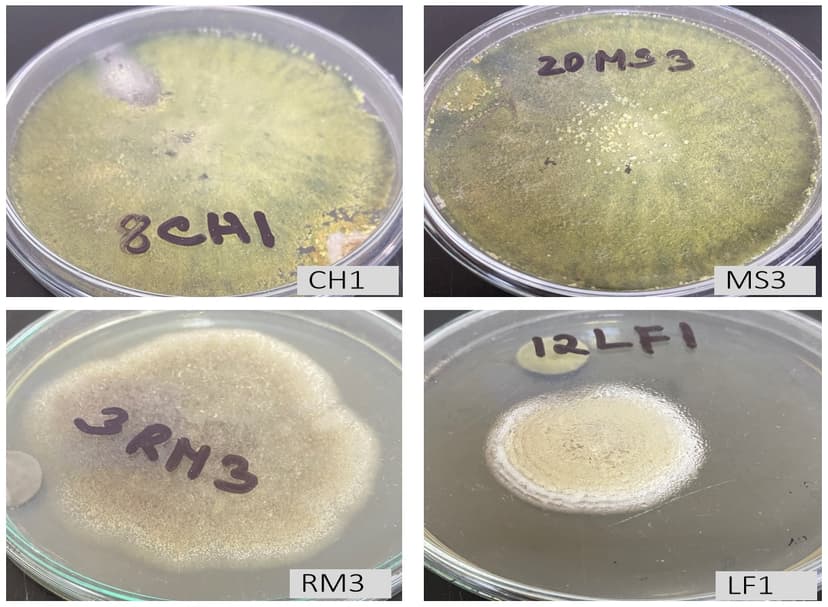
Figure 1. Antibacterial activity of selected fungal isolates
Table 1. Growth characteristics of isolated fungi
Screening for antibacterial activity
The antibacterial properties of the fungal isolates were assessed against three pathogenic bacterial strains: Escherichia coli (ATCC 25922), Staphylococcus aureus (ATCC 25923), and Pseudomonas aeruginosa (ATCC 27853). Among the 20 fungal isolates tested, Aspergillus flavus demonstrated notable antibacterial activity. This was evidenced by the presence of clear zones of inhibition surrounding the wells that contained the fungal extracts, indicating the effectiveness of Aspergillus flavus in inhibiting bacterial growth.
Table 2 summarizes the antibacterial activity of the active fungal isolates, including the diameter of the inhibition zones (in millimeters). The findings revealed that 73.3% of the isolates were effective against E. coli, 60% against S. aureus, and 53% against Proteus sp. The most effective isolate exhibited inhibition zones of 22 mm, 25 mm, and 20 mm against E. coli, S. aureus, and Proteus sp., respectively (Figure 2).
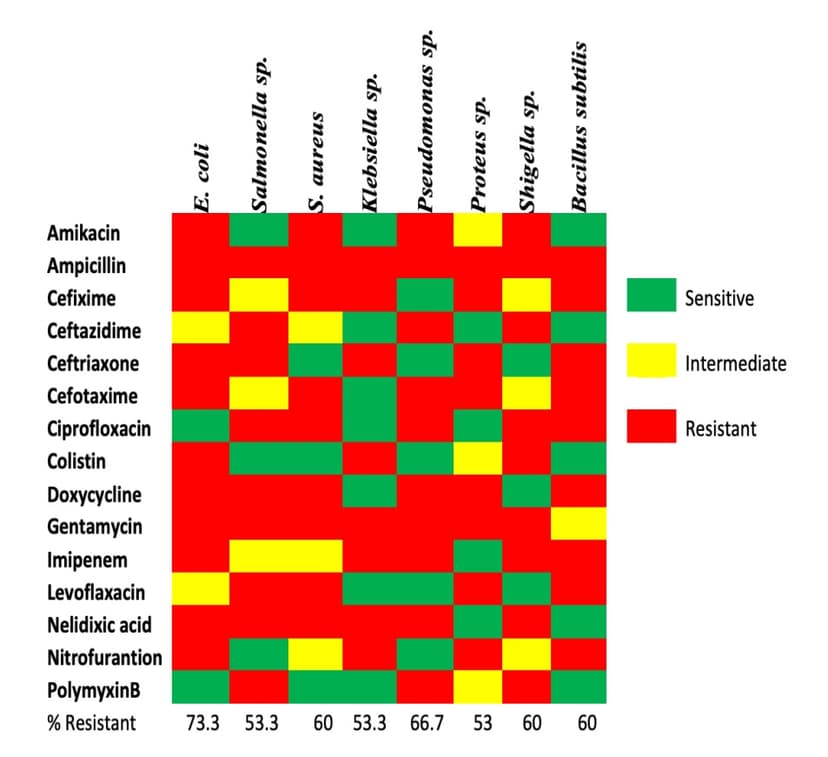
Figure 2.
Antibacterial activity of selected fungal isolates
Following the fish spine test conducted on each sample, it was observed that certain fungal isolates exhibited antibacterial activity, while others did not. Specifically, in sample RB2, all three bacteria (Escherichia coli, Klebsiella, and Salmonella) demonstrated antibacterial activity, with the exception of Staphylococcus aureus. In sample CH1, both Salmonella and Klebsiella exhibited antibacterial activity, whereas S. aureus and E. coli did not show any antibacterial effects. In sample CH3, Salmonella and S. aureus displayed antibacterial activity, while E. coli and Klebsiella did not exhibit any such activity. Notably, in sample LF3, all tested bacteria (E. coli, Klebsiella, S. aureus, and Salmonella) exhibited antibacterial activity. Conversely, in sample BM1, only Salmonella demonstrated antibacterial activity.
Furthermore, in samples BM2 and BM3, only S. aureus exhibited antibacterial activity. No antibacterial activity was observed in the remaining fungal samples for any of the tested bacteria on the Mueller-Hinton Agar (MHA) plates.
Based on the aforementioned data, the fungal isolates from ladies' finger (LF3), rotten banana (RB2), chili (CH1, CH3), and bitter melon (BM1, BM2, and BM3) exhibited antibacterial activity against specific bacteria (Figure 3). Therefore, these fungal samples, extracted from the corresponding vegetable soil, have the potential to be treated and developed into antibiotics.
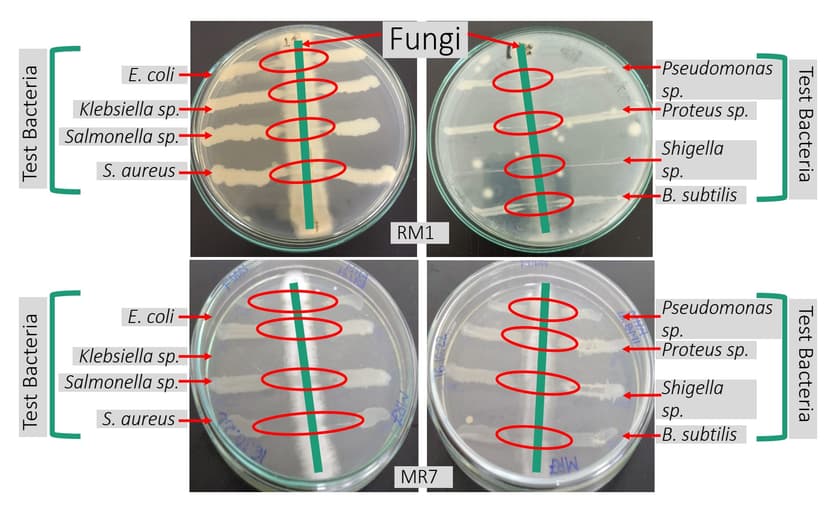
Figure 3. Antibacterial activity of the fungal isolates against the tested bacterial species.
Table 2. Antibacterial activity of selected fungal isolates
This table illustrates the antibacterial activity among the fungal isolates. Proteus sp. was the most susceptible bacterium, inhibited by 85% of the fungal isolates tested, followed by Klebsiella sp. (80%) and S. aureus (75%). In contrast, E. coli and Shigella sp. were the least susceptible, each inhibited by only 50% of the fungal isolates. The average susceptibility of all tested bacteria to the fungal isolates was 66.88%.
DISCUSSION
Antibiotic overuse has accelerated the growth of antibiotic-resistant bacteria, particularly multidrug-resistant strains, and an increasing number of antibiotic-unresponsive infectious disease agents challenge patients globally. The development of new antibiotics continues to expand, driven by the rise of drug-resistant bacteria. According to [12], searching for microorganisms with unique and compelling properties is highly desirable because of the burden of diseases (including cancers) that affect human welfare. Bacterial antibiotic resistance is a global public health crisis, and in 2017, the World Health Organization (WHO) created a list of 12 genera and/or families, which were prioritized for the development of alternative antimicrobials into the categories critical, high, and medium [13]. The emergence of antibiotic resistance in human-pathogenic bacteria such as Staphylococcus spp., Mycobacterium tuberculosis, and Streptococcus spp. has driven a search for additional and improved medicines. There is an urgent need to control antimicrobial resistance by improved antibiotic use and reduced hospital cross-infection; yet, the discovery of novel antibiotics should continue, as they are critical to maintaining the effectiveness of antimicrobial treatment. Bioactive compounds with antimicrobial properties may be chemically synthesized; however, nature is the best source of potential bioactive secondary metabolites that can be used as potential drug leads [14].
Aspergillus flavus demonstrated substantial antibacterial properties compared to those of Saccharomyces spp. Aspergillus species have been shown to produce a range of bioactive compounds, including polyketides, alkaloids, and non-ribosomal peptides, all of which exhibit antibacterial activity [15]. In a previous report [16], CJ-17,665, a compound isolated from Aspergillus sp., showed activity against different MDR bacteria, including multi-drug resistant S. aureus (MDRSA). The antibacterial activity revealed in the current study supports the fungi's potential as a source of new antibiotics. In the present study, 20 fungal isolates were tested for their antibacterial activity against Escherichia coli (ATCC 25922), Staphylococcus aureus (ATCC 25923), and Pseudomonas aeruginosa (ATCC 27853). Aspergillus flavus exhibited a promising effect, as evidenced by clear zones of inhibition around its extracts. Similarly, a study [17] emphasized the antimicrobial potential of metabolites derived from endophytic fungi, including A. flavus, suggesting their promise in combating multidrug-resistant pathogens.
The growing prevalence of antibiotic-resistant bacteria has fueled the hunt for novel antimicrobial drugs, particularly those originating from natural sources [18]. Fungi, as prolific makers of bioactive secondary metabolites, offer a promising reservoir for the development of new antibiotics [17]. The findings of this study contribute to the current research by identifying numerous soil fungi with substantial antibacterial activity, suggesting that agricultural soils may harbor previously undiscovered sources of antimicrobial compounds [19].
Given the growing concern about antibiotic resistance, the development of novel antibiotics from natural sources, such as soil fungi, could offer an important solution to the declining efficacy of existing medications [18]. The discovery of Aspergillus flavus as a potential source of novel antibacterial compounds underscores the need to explore diverse ecological niches, such as agricultural soils, for antibiotic discovery. Different research has found that the chemical compounds from A. flavus have the potential to combat the growth of gram-positive and gram-negative bacteria. The purified compound and its inhibitory activity against MDR bacterial strains presented here project the possibility of this compound as a new antibacterial drug. The compound can retard the growth of both Gram-positive and Gram-negative bacterial strains, showing a prominent zone of inhibition. [20].
Despite the promising antibacterial potential of Aspergillus flavus isolates identified in this study, a significant toxicological issue must be addressed. A. flavus produces aflatoxins, which are potent polyketide-derived mycotoxins, especially aflatoxin B1 (AFB1). The biosynthetic pathways for aflatoxin production and certain antibacterial metabolites in A. flavus share overlapping polyketide synthase gene clusters [21]. This overlap raises the risk that crude fungal extracts or partially purified fractions may contain cytotoxic compounds alongside their antibacterial agents [22]. Such dual biosynthesis complicates translating these findings into safe therapeutic options. Future research should include aflatoxin profiling of active fractions, antibacterial testing, and cytotoxicity assessments to determine the safety of bioactive compounds. Bioassay-guided fractionation to separate antibacterial metabolites from mycotoxin contaminants will be crucial before pursuing therapeutic applications. This study provides a foundation for future work on discovering and developing new antibiotics from soil fungi. Further efforts should focus on purifying and characterizing these bioactive compounds and evaluating their effectiveness in vivo.
CONCLUSIONS
This study demonstrated the potential of agricultural soil fungi as valuable sources of antibacterial compounds. By isolating and screening fungal species from agricultural soils, several isolates exhibiting significant antibacterial activity against common pathogenic bacteria, including Escherichia coli, Staphylococcus aureus, and Pseudomonas aeruginosa, were identified. The findings underscore the rich diversity of soil fungi and their capacity to produce secondary metabolites with potent antibacterial properties. These results are particularly relevant in the context of the global rise in antibiotic-resistant bacteria, which has created an urgent need for new and effective antimicrobial agents. The discovery of fungi in agricultural soils as potential sources of novel antibiotics offers a promising avenue for addressing this challenge.
ACKNOWLEDGEMENTS
None.
AUTHOR CONTRIBUTIONS
Conceptualization: MRUI, TA, NIB, NL, MAS, MF. Writing – original draft: MRUI, TA, NIB, NL. Writing – review & editing: NIB, NL, MAS, MF. All authors approved the final version of the manuscript.
CONFLICTS OF INTEREST
There is no conflict of interest among the authors.
References
[1]
Amin T, Karim AB, Oyshe II, et al. Unlocking Nature’s Treasure Trove: Exploring Microorganisms for Novel Bioactives. J Angiotherapy. 2023; 7(1): 1-8.
[2]
Davies J, Davies D. Origins and Evolution of Antibiotic Resistance. Microbiol Mol Biol Rev. 2010; 74(3): 417–433.
[3]
Ding C, He J. Effect of antibiotics in the environment on microbial populations. Appl Microbiol Biotechnol. 2010; 87: 925–941.
[4]
Etebu E, Arikekpar I. Antibiotics: classification and mechanisms of action with emphasis on molecular perspectives. Int J Appl Microbiol Biotechnol Res. 2016; 4(1): 90–101
[5]
Gaddeyya G, Niharika PS, Bharathi P, Ratna Kumar PK. Isolation and identification of soil mycoflora in different crop fields at Salur Mandal. Pelagia Res Lib. 2012.
[6]
Zhang D, Li S, Fan M, Zhao C. The novel compounds with biological activity derived from soil fungi in the past decade. Drug Des Devel Ther. 2022;16:3493-3555
[7]
Aly AH, Debbab A, Proksch P. Fungal endophytes: unique plant inhabitants with great promises. Appl Microbiol Biotechnol. 2011; 90(6): 1829–1845.
[8]
Dutra JCV, Batitucci MCP. Soil Sampling, Processing, and Storage. In: Amaresan N, Chandarana KA, eds. Practical Handbook on Soil Protists. Humana, New York, NY; 2024.
[9]
BiologyInsights Team. Fungal Morphology and Classification: An In-Depth Guide. BiologyInsights. Published October 10, 2024. Accessed from https://biologyinsights.com/fungal-morphology-and-classification-an-in-depth-guide/
[10]
Aboul-Maaty NA, Oraby HA. Extraction of high-quality genomic DNA from different plant orders applying a modified CTAB-based method. Bull Natl Res Cent. 2019; 43(1).
[11]
Martin KJ, Rygiewicz PT. Fungal-specific PCR primers developed for analysis of the ITS region of environmental DNA extracts. BMC Microbiol. 2005; 5(1): 28.
[12]
Luo C, Zhou H, Zhu L, et al. The correlation between antibiotic usage and the prevalence of antibiotic resistance in Streptococcus suis. BMC Microbiol. 2019; 19(1): 1-10.
[13]
Stallforth P, Brock DA, Cantley AM, et al. A bacterial symbiont is converted from an inedible producer of beneficial molecules into food by a single mutation in the host. BMC Microbiol. 2019; 19(1): 1-12.
[14]
Khattak SU, Lutfullah G, Iqbal Z, et al. Aspergillus flavus originated pure compound as a potential antibacterial. BMC Microbiol. 2021; 21(1): 322.
[15]
Youssef FS, Alshammari E, Ashour ML. Bioactive alkaloids from genus Aspergillus: mechanistic interpretation of their antimicrobial and potential SARS-CoV-2 inhibitory activity using molecular modelling. Int J Mol Sci. 2021; 22(4): 1866.
[16]
Sugie Y, Hirai H, Inagaki T, et al. A new antibiotic CJ-17,665 from Aspergillus ochraceus. J Antibiot (Tokyo). 2001; 54(11): 911–916.
[17]
Mohan S, Krishna MSA, Chandramouli M, et al. Antibacterial natural products from microbial and fungal sources: a decade of advances. Mol Divers. 2022; 27(1): 517–541.
[18]
World Health Organization (WHO). Antimicrobial resistance. Published November 21, 2023. https://www.who.int/news-room/fact-sheets/detail/antimicrobial-resistance
[19]
Xu L, Cao F, Tian S, Zhu H. Alkaloids and Polyketides from the Soil Fungus Aspergillus terreus and Their Antibacterial Activities. Chem Nat Compd. 2017; 53(6): 1212–1215.
[20]
Dandachi I, Anani H, Hadjadj L, et al. Genome-wide analysis of Aspergillus species and their antibacterial activity against multidrug-resistant bacteria. Antibiotics. 2021; 10(8): 924.
[21]
Georgianna DR, Payne GA. Genetic regulation of aflatoxin biosynthesis: from gene to genome. Fungal Genet Biol. 2009; 46(2): 113–125.
[22]
Bbosa GS, Kitya D, Lubega A, et al. Review of the biological and health effects of aflatoxins on body organs and body systems. Aflatoxins – Recent Advances and Future Prospects. InTech; 2013.
Share and Cite
Harvard Style
Islam, M. and Jeba, I. and Anwer, T. and Borni, N. and Laila, N. and Shishir, M. and Fakruddin, M., 2026, 'Screening agricultural soil fungi for antibacterial activity: Potential for natural antibiotic development', Toxicant Research, vol. 2, no. 2, pp. 25-32.
ACS Style
Islam, M.; Jeba, I.; Anwer, T.; Borni, N.; Laila, N.; Shishir, M.; Fakruddin, M. Screening agricultural soil fungi for antibacterial activity: Potential for natural antibiotic development. Toxicant Research 2026, 2(2), 25-32. https://doi.org/10.66439/tr.2026.04
AMA Style
Islam, M.; Jeba, I.; Anwer, T.; Borni, N.; Laila, N.; Shishir, M.; Fakruddin, M. Screening agricultural soil fungi for antibacterial activity: Potential for natural antibiotic development. Toxicant Research. 2026;2(2):25-32. https://doi.org/10.66439/tr.2026.04
Chicago/Turabian Style
Islam, Mirza Rahat Ul; Jeba, Israt Jahan; Anwer, Tahira; Borni, Nishat Islam; Laila, Nishat; Shishir, Md. Asaduzzaman; Fakruddin, Md. . 2026. "Screening agricultural soil fungi for antibacterial activity: Potential for natural antibiotic development" Toxicant Research 2, no. 2: 25-32. https://doi.org/10.66439/tr.2026.04
APA Style
Islam, M.; Jeba, I.; Anwer, T.; Borni, N.; Laila, N.; Shishir, M.; Fakruddin, M. (2026). Screening agricultural soil fungi for antibacterial activity: Potential for natural antibiotic development. Toxicant Research, 2(2), 25-32. https://doi.org/10.66439/tr.2026.04
Article Metrics
Article Access Statistics
Article Info
Academic Editor
Md Atikur Rahman, PhD
Received
03 June 2026
Accepted
26 June 2026
Published
30 June 2026
Article DOI
10.66439/tr.2026.04Cite this article
Islam M, Jeba I, Anwer T, Borni N, Laila N, Shishir M, Fakruddin M. Screening agricultural soil fungi for antibacterial activity: Potential for natural antibiotic development. Toxicant Res. 2026; 2(2), 25-32. 2026; 2(2): 25-32