Loading...
Polybag-mediated microplastics in fruits and vegetables: Emerging global threat to health
Mushira Khanam
,Shahana Akter
,Sahala Tasnim Haque
,Ajahar Islam Hridoy
,Akhi Moni
,Md Jamal Uddin
Abstract
Microplastics (MPs) and nanoplastics are increasingly detected across the food chain, including in fruits and vegetables. While environmental sources (soil, irrigation, air) are well documented, there is growing concern that everyday plastic contact, particularly polybag packaging and wrap used during transport, storage, and sale, can directly deposit MPs on produce or enable migration of additives. This review summarizes current evidence on occurrence, mechanisms by which polybags can contribute to contamination, potential human-health implications of dietary exposure from produce, critical knowledge gaps, and short-term/long-term research and policy priorities.
INTRODUCTION
Plastics are synthetic polymers composed of smaller monomers and additives that improve their properties. Plastics are ubiquitous across modern food systems. Small plastic particles (commonly defined as <5 mm) are now detected in soils, water, air, and biota. Global demand for plastics has increased significantly since the 1950s due to their low cost, durability, water resistance, and ease of manufacture, which have often overshadowed the severe environmental and health concerns they pose. Global plastic production reached a new record of around 430.9 Mt in 2024. Polyethylene (PE) and polypropylene (PP) accounted for the majority of its shares, at around 26 and 19 percent, respectively [1]. According to a United Nations Environment Program (UNEP) report, each year 19-23 million tons of plastic waste from land-based sources enter aquatic environments and contaminate rivers, lakes, and oceans. The report further shows that approximately three-quarters of all plastic waste is improperly managed, which leads to its accumulation in natural ecosystems as open dumps, mismanaged debris, or dispersed waste in terrestrial and aquatic habitats [2]. Due to inadequate waste management and limited recycling capacity, the accumulation of plastic waste continues to rise, intensifying the burden on both human health and the environment.
MPs are broadly categorized into primary MPs, which are intentionally manufactured for use in various products, and secondary MPs, which form unintentionally through the fragmentation and degradation of larger plastic items. When these particles reach the nanoscale (usually less than 100 nm), they are categorized as nanoplastics (NPs). The most frequently detected MPs in food products include polyethylene (PE), used in shopping bags and packaging films; PP, found in reusable containers, single-use masks, and bottle caps; polystyrene (PS), commonly used in Styrofoam; polyethylene terephthalate (PET), widely used in beverage bottles and textile fibers; and Polyvinyl chloride (PVC), found in pipe, window frame and shoe laces [3]. Emerging studies estimate that individuals may ingest nearly 5 g of plastic particles each week through food [4]. Fruits and vegetables receive plastics both indirectly (from contaminated agricultural inputs such as biosolids, mulches, irrigation water, and airborne deposition) and directly via contact with plastic packaging (PE/PP bags, wraps) used in markets and retail. Several recent reviews and primary studies confirm that produce can carry microplastics (MPs) on surfaces or within tissues [5]. MPs have been detected in human blood [6], breast milk [7], placental tissue [8], and stool [9]. This has raised serious concerns regarding its implications for human health [10]. The physiological effects of MPs exposure differ depending on particle size, polymer composition, and duration of exposure [11]. Experimental evidence shows that MPs can induce oxidative stress in human cells by elevating reactive oxygen species (ROS), which in turn triggers inflammatory pathways and other cytotoxic responses [12], [13].
However, the majority of MPs’ related studies focus on polystyrene microplastics (PS-MPs), so the specific impacts of polyethylene microplastics (PE-MPs) on different organs and cellular systems remain insufficiently understood. This knowledge gap is particularly important given the widespread use of PE-based products, such as polybags, which contribute substantially to environmental MP contamination. Through this review, we aim to bring together current evidence on microplastic contamination in fruits and vegetables, focusing especially on PE-MPs.
EVIDENCE OF MICROPLASTICS IN FRUITS AND VEGETABLES
Multiple surveys using FTIR/Raman microscopy, pyrolysis-GCMS, and visual microscopy have confirmed the presence of MPs on the surfaces and sometimes within the tissues of fruits and vegetables [14]. The detected particles vary widely in number and size, ranging from 0.1 µm to 1 mm, and polymer types such as PE, PP, and PET [15]. These variations show differences in the methods used for sampling, digestion, and detection. A 2023 study on 72 fruit and vegetable samples observed an average of 2.9 ± 1.6 particles per gram of MPs; the highest levels were found in tomatoes. Consistent MP detection is also confirmed by recent global reviews from 2024 to 2025, which also highlighted significant differences in the approaches used in various studies [16]. Studies on animals and fish provide additional evidence of biological impacts that extend beyond human exposure. MPs have been found in zebrafish studies to induce oxidative stress, disrupt lipid metabolism, and trigger inflammatory responses [17]. Evaluation of fish and mammals indicates gastrointestinal accumulation and potential transfer within the food chain [18]. Research with rodents also shows that smaller MPs can move to the liver, kidney, and brain, suggesting possible systemic toxicity [19]. Together, these findings indicate that eating contaminated fruits and vegetables may lead to long-term microplastic exposure in humans and animals. This reinforces the need for regular monitoring and better control measures [20].
MECHANISMS OF POLYBAGS-INCREASED MP BURDEN ON FRESH PRODUCE
Three plausible and partly overlapping mechanisms explain how polybags increase MP burden on produce, as shown in Figure 1.
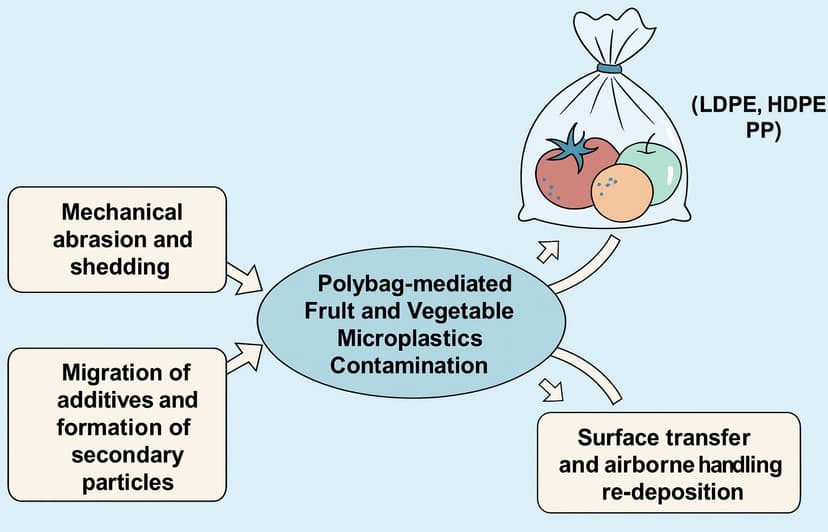
Figure 1. Figure 1. Contamination pathways. Low-density polyethylene (LDPE), high-density polyethylene (HDPE), and polypropylene (PP).
Mechanical abrasion and shedding
Repeated friction between produce and low-density polyethylene (LDPE) or other bags can shear off micro- and nano-scale fragments from the bag itself, especially if bags are old, printed, or exposed to sunlight and heat. Experimental work on other food packaging (e.g., tea bags) demonstrates that common food-grade plastics can release huge quantities of micro/nanoplastics under realistic use conditions, implying that physical contact between polybags and produce is a plausible source [21].
Migration of additives and formation of secondary particles
Plastic additives (plasticizers, stabilizers, slip agents) can leach and, under environmental conditions, contribute to polymer degradation and fragmentation. Additive-rich films under UV, heat, or microbial action fragment faster. Several reviews of food-packaging sources summarize these pathways and note that packaging can act not only as a particle source but as a vector for sorbed contaminants [22].
Surface transfer and airborne re-deposition during handling
Produce handled while inside or wrapped by bags may pick up MPs already present on the bag surface (from manufacturing, previous contacts, or ambient dust). Market handling, transport vibration, and compression can dislodge particles and redistribute them onto produce surfaces. Field studies that sampled market produce (even when original packaging was not retained) suggest that handling and retail conditions contribute to variability in MP presence [23].
EFFECTS OF MICROPLASTICS ON VARIOUS DISEASE PATHOPHYSIOLOGIES
Dietary ingestion is a major human exposure route for MPs. Evidence from food, beverage, and human tissue studies shows MPs in the human body (reports of MPs in blood, placenta, breast milk, and various organs have raised alarms). Toxicological studies (in vitro and in vivo) suggest a potential impact of MPs on disease pathophysiologies, including inflammation, oxidative stress, endocrine disruption, and translocation (Figure 2). Regulatory bodies (e.g., FDA) currently state there is not yet sufficient evidence to conclude that packaging-to-food migration is a major source in all contexts, but they acknowledge the presence of MPs in food and the need for standardized methods and more safety data [24].
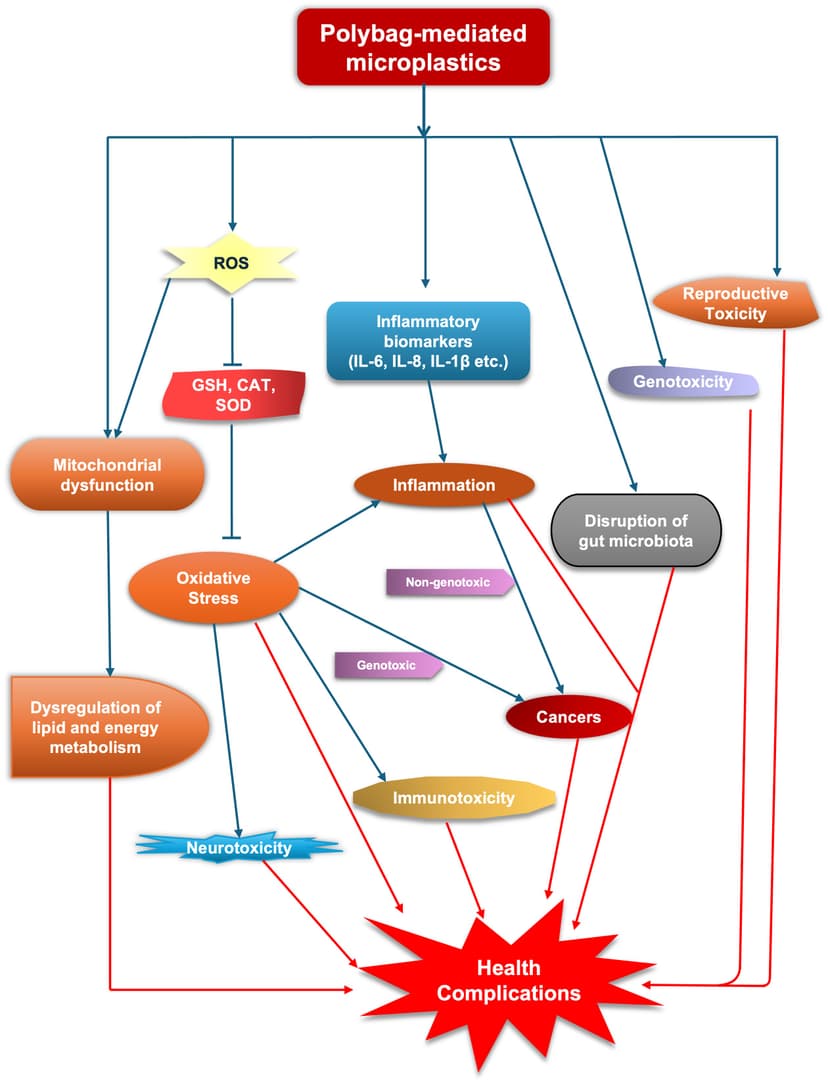
Figure 2. Figure 2. Mechanism of Polybag-mediated MPs’ health complications. Polybag-mediated MPs induce oxidative stress either through excessive ROS or by inhibiting antioxidants such as glutathione (GSH), catalase (CAT), and superoxide dismutase (SOD), which can lead to toxic and diseased conditions, including neurotoxicity, immunotoxicity, and cancers. Polybag-mediated MPs also elevated the inflammatory biomarkers, including IL-6, IL-8, and IL-1β, leading to inflammation. Polybag-mediated MPs also exhibited lipid and energy metabolism dysregulation, gut microbiota imbalance, genotoxicity, and reproductive toxicity that ultimately resulted in severe health complications.
Oxidative stress
Oxidative stress plays a critical role in the progression of various diseases [25, 26]. ROS are natural byproducts produced during mitochondrial energy production. However, excessive amounts of ROS cause oxidative stress, which damages essential biomolecules such as DNA, proteins, and membrane lipids, and eventually leads to cell death. Both in vivo and in vitro studies have revealed that the presence of MPs disrupts the mitochondrial structure and function, which in turn promotes elevated ROS accumulation [27]. MPs trigger oxidative stress in the body by either elevating ROS levels or altering the function of antioxidants such as glutathione (GSH), catalase (CAT), and superoxide dismutase (SOD) [28]. And this MPs-mediated oxidative stress has been observed in the majority of human organs, including the brain, lungs, liver, kidney, spleen, and placenta.
PE-MPs can cross the blood-brain barrier (BBB) and have been shown to induce neurotoxicity through the generation of oxidative stress in various kinds of animal models, including rats and zebrafish [29-32]. Sprague-Dawley rats exhibited increased lipid peroxidation and reduced antioxidant enzymes, leading to oxidative stress when treated with PE-MPs [33]. A recent study by Zhao et al. observed a significant elevation of intracellular ROS as well as Caspase-9 mRNA expression when the AML12 hepatic cell line was treated with 0.5 mg/ml polystyrene MPs for 48 hours, suggesting that oxidative stress triggered apoptotic priming [34]. Similarly, according to Chen et al. MPs disrupt mitochondrial membrane potential and suppress the antioxidant enzyme heme oxygenase-1, causing oxidative stress-mediated cytotoxicity in human embryonic kidney 293 (HEK293) cells [35]. Another alarming study revealed that pregnant mice given MPs orally for 14 days had a significant rise in oxidative stress markers along with a reduction in placental and fetal weights, as well as fetus numbers [36]. High PE content in the follicular fluid of 44 infertile women, whereas female mice treated with PE-MPs exhibited high ROS production as well as poor quality oocytes [37]. Human term Placenta also exhibited a significant rise in ROS after being exposed to 100µg/ml polystyrene MPs, indicating their impact on our future generations [38].
Inflammation
Inflammation is associated with the progression of a variety of diseases [39-41]. MPs, characterized as particulate xenobiotics, have emerged as notable immunomodulatory contaminants capable of activating inflammatory pathways and interacting directly with immune components [42]. A substantial amount of evidence suggests that MP-induced inflammation is triggered by oxidative stress, which acts as an initiating factor for multiple inflammatory cascades [43], [44]. MPs mediated inflammation involves the direct activation of the innate immune system. Macrophages and natural killer cells respond to MP exposure by releasing pro-inflammatory mediators such as IL-6, IL-1β, and IL-8, findings that have been consistently reported across several cell-line models [44-48]. Animal studies provide additional confirmation for these observations [49], [50]. A study by Djouina et al. reported that exposure to PE-MPs also induced colonic inflammation in mice, as evidenced by increased levels of pro-inflammatory cytokines IL-1β, IL-6, TNF, and IFN-γ, when the mice were given different-sized PE-MPs orally [51]. Beyond innate immunity, emerging data suggest that MPs also imbalance the T cell component of adaptive immune functions; however, the direct impact on B cell function has yet to be thoroughly researched [52].
Cancer
The prevalence of cancers is a global problem [53-55]. MP particles (PS, PE, PVC) have been detected on several carcinoma cells, including lung, gastric, colorectal, and pancreatic cancer [56]. Growing evidence indicates that MPs are linked to carcinogenesis and may act as both genotoxic carcinogens (through DNA damage) and non-genotoxic carcinogens (through inflammation) [11]. As genotoxic carcinogens, MPs induce an excessive production of ROS and oxidative stress, which can lead to DNA damage, cell-cycle arrest, and necrosis. And as non-genotoxic carcinogens, MPs promote cancer progression by sustaining chronic inflammation, altering the tumor microenvironment, and impairing immune surveillance [57].
Significant MP accumulation has been found in human cancer tissues, including 80% positivity in lung cancer samples, 70% in pancreatic cancer samples, and 50% in colorectal cancer samples. These findings suggest that MPs may serve as an environmental factor that contributes to the development and progression of tumors [11, 56]. Additionally, several studies have suggested an association between PE-MPs and cancer. In human gastric adenocarcinoma (AGS) cells, a 72-hour exposure to PE-MPs and PP-MPs significantly increased cancer cell proliferation [58]. Similarly, a study demonstrated that acute PE-MP exposure enhanced proliferation in U87 glioblastoma cells after 72 hours. These glioblastoma cells exhibited marked increases in proliferation and migration, as well as morphological changes such as spheroid formation, after being exposed to chronic 0.005 g PE-MP for 26 days [59].
Dysregulation of lipid and energy metabolism
Metabolism is the sum of all chemical reactions in cells that convert food into energy, build new cellular components, and remove waste, enabling life functions. Dysregulation of lipid and energy metabolism may lead to various diseases [60, 61]. MPs released from polybags can enter the human body through the ingestion of food stored, transported, or sold in polybags, thereby entering the human gastrointestinal tract. It eventually reaches our metabolic organs, such as the liver. Once inside the cells, these particles interfere with basic energy processes by disrupting mitochondrial function. The micro- and nanoplastics do this by weakening the mitochondrial membrane potential, which reduces ATP production, which limits the liver’s ability to perform energy-intensive processes such as β-oxidation. As mitochondrial dysfunction and oxidative stress accumulate, enzymes responsible for fat breakdown are suppressed, and hepatocytes shift toward lipid storage. So, now instead of utilizing the lipids, they store more lipids, which results in abnormal lipid buildup and metabolic imbalance. This metabolic disturbance does not occur in isolation. Plastic-derived endocrine-disrupting chemicals, such as phthalates and bisphenols, are also released by polybags, which further disturb human lipid regulation. These compounds interact with hormonal pathways such as PPAR, estrogen, and thyroid hormone signaling, leading to increased lipid synthesis, altered cholesterol handling, and an increased risk of metabolic imbalance [62]. Long-term exposure to nanoplastics has also been shown to alter human genes related to lipid transport and inflammatory pathways, patterns associated with dyslipidemia and early atherosclerosis risk [63]. These mechanisms show that MPs from polybag interaction may impact human lipid metabolism and induce long-term metabolic disorders.
Disruption of gut microbiota
Gut microbiota is profoundly associated with nearly all aspects of health [64, 65]. Just as MPs derived from polybags interfere with hepatic fat metabolism, they also significantly affect the gut microbiota—one of the body’s central regulators of metabolic and immune stability. After entering the gastrointestinal tract, MPs interact with the intestinal surface and resident microbes, producing physical and chemical stress that disrupts microbial homeostasis. MPs make the intestinal wall weaker by reducing the proteins that keep the gut barrier “tight,” which normally stops harmful substances from leaking through. When this barrier becomes weaker, the mix of bacteria in the gut changes. Useful, healthy bacteria decrease, while stress-related or harmful species become more common [66]. Human stool analyses further demonstrate that individuals exposed to higher microplastic levels exhibit measurable microbial shifts. In some cases, their gut microbes even develop genes that allow them to break down plastic, which shows that the bacteria are directly reacting to MPs [67]. These disturbances can amplify the metabolic consequences described previously. These changes in the gut bacteria increase intestinal permeability, allowing inflammatory molecules to enter the bloodstream, which worsens metabolic inflammation. At the same time, reductions in beneficial bacteria impair short-chain fatty acid production, a key regulator of lipid and glucose metabolism [68]. These findings collectively suggest that polybag-derived MPs disrupt not only the liver but also the gut bacteria. The body’s metabolism becomes even more unbalanced when both the liver and the gut are affected at the same time.
Immunotoxicity and genotoxicity
Nano and MPs cause immunotoxicity in a number of ways, including up to threefold greater levels of pro-inflammatory cytokines, up to 1.8 times more oxidative stress, and up to 70% lymphocyte depletion. In both vertebrate and invertebrate models, all of these actions weaken the immune system [69].
Repeated exposure to polyamide-12 MPs elevated IL-8 and CXCL-8 secretion in human macrophages (p < 0.01), while leaving IL-1β, IL-18, and IL-10 levels unaffected. Targeted metabolomics increased kynurenine, FAD, and NAD levels by 30% (p < 0.01). Elevated levels of polyamide particles markedly enhanced p53 activation, signifying genotoxic stress (p < 0.01). MPs modify metabolism, induce genotoxicity, and affect cell structure without eliciting inflammation [70].
Recent studies on Oreochromis niloticus observe the presence of micronuclei (MN) and binucleated (BN) cells in their erythrocytes, which suggests that MPs and recycled plastics (GPs) may be genotoxic to aquatic animals. Fish exposed to MP dosages of 1, 10, and 25 mg/L for 96 hours exhibited a significant rise in micronuclei and a decrease in red blood cells (RBCs) from 1.9 million/mm³ to 1.3 million/mm³ (p < 0.05). These findings suggest that MPs and recycled plastics in water environments can be harmful to human health, particularly if they accumulate in the food chain and are consumed by humans [71].
Reproductive toxicity
Primary and secondary MPs' long-term exposure significantly disturbed reproduction in three cladoceran species: Daphnia Magana, Daphnia pulex, and Ceriodaphnia dubia, which led to brood size reductions up to 42% at 10 particles/mL. Ceriodaphnia dubia, a smaller species, was more vulnerable to reproductive toxicity. This study suggests that MPs, particularly primary particles, offer an ecological risk to freshwater zooplankton reproduction, which may have devastating impacts on aquatic food webs [72].
A 90-day study in mice demonstrated that administration with PS-MPs (0.125–2 mg/day) led to decreased live births, altered sex ratios, and reduced pup body weight. In addition, a 180-day exposure to 100–1,000 μg/L of PS-MPs resulted in decreased steroidogenic enzyme activity and the induction of sperm abnormalities. Fish exposed to 20–200 mg/L PS-MPs had delayed gonadal maturation, reduced hatching rates, and shorter offspring, with effects lasting generations. Human studies show MPs in blood and lungs, with changed hormone levels and lower sperm quality in exposed workers, although direct evidence is scarce. These findings show dose-dependent, multi-species reproductive concerns from MPs [73].
Neurotoxicity
Studies show that MPs can get through that MPs can cross the blood-brain barrier, potentially leading to neuroinflammation and cognitive deficits by increasing oxidative stress levels by up to 40% and decreasing acetylcholine levels by up to 30%. These actions promote Alzheimer's-related conditions, including the aggregation of amyloid-beta [74].
MPs accumulate in seafood, with fish from contaminated regions exhibiting 5.5 ± 1.6 particles/g (500–1000 μm). In mice, exposure to 5.0–5.9 μm polystyrene MPs (0.01–1 mg/day) led to the disorganisation of hippocampal neurones, oxidative stress, and cognitive impairments. Microglia infiltrate human brain tissues, leading to lysosomal overflow, microvascular obstruction, neuroinflammation, and astrogliosis, conditions linked to an elevated risk of dementia [75, 76].
MPs enhance neuronal demise and neuroinflammation subsequent to global cerebral ischaemia (GCI). MPs penetrate the blood-brain barrier, resulting in significant increases in inflammatory markers (Iba-1, CD68; p = 0.001) and cytokines (IL-6, TNF-α; p < 0.05). MPs additionally facilitate demyelination, the depletion of synaptic proteins, and tau phosphorylation (p = 0.031). This exacerbates motor and cognitive deficits, as evidenced by elevated mNSS and Morris water maze scores (p < 0.05) [77].
LIMITATIONS IN METHODOLOGY AND KNOWLEDGE
Studies differ in sampling, blank controls, particle size limits, and polymer identification, making cross-study comparisons difficult. Standardization of sampling, processing, and reporting is urgently required [78]. It is often difficult to attribute MPs on produce to polybags specifically versus environmental sources (soil, irrigation, air). Controlled experiments that simulate real-world bag-produce interactions are relatively few [5]. Most toxicology uses high-dose exposures or spherical/synthetic model particles; relevance to chronic, low-dose dietary exposures to heterogeneous environmental MPs (with sorbed chemicals/microbes) is uncertain. Longitudinal human studies and realistic animal models are missing [79]. MPs are detected by this method, excluding MPs particles ≤ 500 µm and reducing the accuracy of the results, impeding exact quantification and size range assessment of MPs in fruits and vegetables [20].
Established methods for detecting and measuring MPs in fruits and vegetables are required. The long-term health effects of dietary exposure to MPs are not adequately documented [14]. Studies found that MPs' intake is affected by food habits, food types, and geographic locations. An integrated approach of multiple analytical techniques to advance observation accuracy is needed [80].
CHALLENGES AND RECOMMENDATIONS
Give priority to standardized protocols, including sample handling, size cutoffs, and polymer ID, as well as interlaboratory ring trials [78]. Design experiments (such as controlled abrasion studies, package age/UV exposure simulations, and real-world storage trials) that isolate the polybag contribution [21]. Invest in safer packaging materials and design (minimized shedding, additive transparency), and require migration/release testing under realistic use conditions [22]. Develop labeling and guidance for packaging reuse/ageing and for cold chain/retail handling practices that minimize abrasion. Simple mitigation — washing produce (rinsing and gentle scrubbing) and peeling where appropriate can reduce surface MPs (though not necessarily internalized particles). Minimize leaving produce in plastic bags for long periods in sunlight or heat. Prefer loose produce when feasible and support retailers’ reduced-plastic initiatives.
To strengthen research quality, priority should be given to protocols across studies, including standardized sample-handling methods, consistent size cut-offs, and reliable polymer-identification techniques, and conducting interlaboratory ring trials to validate these approaches [78]. Future research should also include experiments that specifically isolate the contribution of polybags, such as controlled abrasion setups, tests comparing different packaging ages and UV-exposure levels, and real-world storage simulations.
From a prevention standpoint, investment is needed in safer packaging materials and designs that shed fewer particles, use transparent additives, and undergo migration/release testing under realistic use conditions [81]. Clear labeling and handling guidelines should be provided to reduce abrasion, particularly through information such as how long packaging can be reused, how aging affects shedding, and suggested practices for cold-chain and retail handling.
Consumers can reduce surface MPs through simple mitigation strategies, such as rinsing produce, gentle scrubbing, or peeling when appropriate, even if internalized particles may remain. Produce should not be left in plastic bags in the heat or direct sunlight for an extended period of time. When possible, choosing to bring reusable bags to shop and supporting retail protocols that reduce the use of plastic can further minimize exposure.
CONCLUSIONS
Evidence shows fruits and vegetables can carry MPs, and polybags are a credible though variably quantified contributor via abrasion, additive migration, and handling transfer. The potential health consequences of chronic, low-dose dietary exposure through produce remain an area of active research: compelling signals of biological effect exist from laboratory and human tissue studies, but the real-world risk magnitude is still uncertain. Immediate steps should focus on harmonizing measurement methods, directly testing polybag–produce transfer under realistic conditions, improving packaging design/regulation, and applying pragmatic consumer-level mitigation.
ACKNOWLEDGEMENTS
None.
AUTHOR CONTRIBUTIONS
MJU designed outlines and drafted the manuscript. MK, SA, STH, AIH, AM, and MJU wrote the initial draft of the manuscript. MJU and AM reviewed the scientific contents described in the manuscript. All authors have read and agreed to the published version of the manuscript.
CONFLICTS OF INTEREST
There is no conflict of interest among the authors.
DECLARATION ON USING AI-ASSISTED TOOLS
During the preparation of this manuscript, the authors used artificial intelligence (AI) tools (such as Consensus and ChatGPT) to improve readability and language quality. Following the use of technological supports, the author(s) reviewed and edited the text as required and take full responsibility for the text of the publication.
References
[1]
Europe P. Plastics – the fast facts 2025. 2025. https://plasticseurope.org/knowledge-hub/plastics-the-fast-facts-2025/
[2]
United Nations Environment Programme (UNEP). UNEP. About the law and plastics toolkit. 2025. https://www.greenpolicyplatform.org/platforms/unep-plastic-toolkit.
[3]
Kadac-Czapska K, Knez E, et al. Food and human safety: The impact of microplastics. Critical Reviews in Food Science and Nutrition. 2024;64:3502-21.
[4]
Jung YS, Sampath V, et al. Characterization and regulation of microplastic pollution for protecting planetary and human health. Environmental Pollution. 2022;315:120442.
[5]
Lazăr NN, Călmuc M, et al. Micro and nano plastics in fruits and vegetables: A review. Heliyon. 2024;10:e28291.
[6]
Leslie HA, van Velzen MJM, et al. Discovery and quantification of plastic particle pollution in human blood. Environment International. 2022;163:107199.
[7]
Ragusa A, Notarstefano V, et al. Raman microspectroscopy detection and characterisation of microplastics in human breastmilk. Polymers2022. p. 2700.
[8]
Ragusa A, Svelato A, et al. Plasticenta: First evidence of microplastics in human placenta. Environment International. 2021;146:106274.
[9]
Schwabl P, Köppel S, et al. Detection of various microplastics in human stool. Annals of Internal Medicine. 2019;171:453-7.
[10]
Masud RI, Suman KH, et al. A review on enhanced microplastics derived from biomedical waste during the covid-19 pandemic with its toxicity, health risks, and biomarkers. Environmental Research. 2023;216:114434.
[11]
Mishra SK, Sanyal T, et al. Microplastics as emerging carcinogens: From environmental pollutants to oncogenic drivers. Molecular Cancer. 2025;24:248.
[12]
Mahamud AGMSU, Anu MS, et al. Microplastics in fishmeal: A threatening issue for sustainable aquaculture and human health. Aquaculture Reports. 2022;25.
[13]
Masud RI, Suman KH, et al. A review on enhanced microplastics derived from biomedical waste during the covid-19 pandemic with its toxicity, health risks, and biomarkers. Environmental Research. 2023;216.
[14]
Mandal R. A critical review on microplastics in edible fruits and vegetables: A threat to human health. Multidisciplinary Reviews. 2025;8:2025088-.
[15]
Oliveri Conti G, Ferrante M, et al. Micro- and nano-plastics in edible fruit and vegetables. The first diet risks assessment for the general population. Environmental Research. 2020;187:109677.
[16]
Yibo L, Genshen Y, et al. Microplastics in the agricultural soils: Pollution behavior and subsequent effects. Land Degradation & Development. 2024;35:4455-71.
[17]
Qiao R, Sheng C, et al. Microplastics induce intestinal inflammation, oxidative stress, and disorders of metabolome and microbiome in zebrafish. Science of The Total Environment. 2019;662:246-53.
[18]
Khan FR, Clark N, et al. Micro(nano)plastics in the fish gastrointestinal tract: A mini review and relevance to one health perspective. Current Opinion in Environmental Science & Health. 2025;46:100645.
[19]
Yang Z, Zhang Y, et al. Exposure to ambient air pollution over developmental stages induced neurodevelopmental impairment in mice offspring via microbiome-gut-brain axis. Particle and Fibre Toxicology. 2025;22:20.
[20]
Aydın RB, Yozukmaz A, et al. Occurrence of microplastics in most consumed fruits and vegetables from turkey and public risk assessment for consumers. Life2023. p. 1686.
[21]
Shultz CL. Teabags release 'huge amounts' of nanoplastics. People; Published on December 23, 2024
[22]
Jadhav EB, Sankhla MS, et al. Microplastics from food packaging: An overview of human consumption, health threats, and alternative solutions. Environmental Nanotechnology, Monitoring & Management. 2021;16:100608.
[23]
Nassar S, Tatan B, et al. Microplastics contamination on the surfaces of fruits and vegetables: Abundance, characteristics, and exposure assessment. Microplastics. 2025;4:61.
[24]
Guardian T. Microplastics found in every human placenta tested in study. In: Carrington D, editor.: The Guardian; 2024.
[25]
Shahad FO, Israa Abass R, et al. Evaluation of adipocytokines and oxidative stress biomarkers in sera of hemodialysis patients. J Adv Biotechnol Exp Ther. 2024;8:79-90.
[26]
Uddin MJ, Kim EH, et al. Pharmacotherapy against oxidative stress in chronic kidney disease: Promising small molecule natural products targeting nrf2-ho-1 signaling. Antioxidants2021. p. 258.
[27]
Dal Yöntem F, Aydoğan Ahbab M. Mitochondria as a target of micro- and nanoplastic toxicity. Cambridge Prisms: Plastics. 2024;2:e6.
[28]
Kadac-Czapska K, Ośko J, et al. Microplastics and oxidative stress—current problems and prospects. Antioxidants2024. p. 579.
[29]
Forutan G, Sarkaki A, et al. Chronic exposure to microplastics induces blood–brain barrier impairment, oxidative stress, and neuronal damage in rats. Molecular Neurobiology. 2025;62:13777-85.
[30]
Santos D, Cabecinha E, et al. Long-term effects of individual and combined exposure to microplastics and copper in zebrafish hypothalamic-pituitary-gonadal axis – a multi-biomarker evaluation. Journal of Environmental Management. 2025;378:124770.
[31]
Li R, Nie J, et al. Toxic effect of chronic exposure to polyethylene nano/microplastics on oxidative stress, neurotoxicity and gut microbiota of adult zebrafish (danio rerio). Chemosphere. 2023;339:139774.
[32]
Wang J, Yang Y, et al. Oxidized/unmodified-polyethylene microplastics neurotoxicity in mice: Perspective from microbiota-gut-brain axis. Environment International. 2024;185:108523.
[33]
Farag AA, Youssef HS, et al. Hematological consequences of polyethylene microplastics toxicity in male rats: Oxidative stress, genetic, and epigenetic links. Toxicology. 2023;492:153545.
[34]
Zhao B, Liu R, et al. Large-sized polystyrene microplastics induce oxidative stress in aml12 cells. Scientific Reports. 2025;15:26616.
[35]
Chen Y-C, Chen K-F, et al. The nephrotoxic potential of polystyrene microplastics at realistic environmental concentrations. Journal of Hazardous Materials. 2022;427:127871.
[36]
Bai J, Wang Y, et al. Microplastics caused embryonic growth retardation and placental dysfunction in pregnant mice by activating grp78/ire1α/jnk axis induced apoptosis and endoplasmic reticulum stress. Particle and Fibre Toxicology. 2024;21:36.
[37]
Wang Q, Chi F, et al. Polyethylene microplastic exposure adversely affects oocyte quality in human and mouse. Environment International. 2025;195:109236.
[38]
de Sousa AKA, Pires KSN, et al. Polystyrene microplastics exposition on human placental explants induces time-dependent cytotoxicity, oxidative stress and metabolic alterations. Frontiers in Endocrinology. 2024;Volume 15 - 2024.
[39]
Moni A, Iqbal A, et al. Resveratrol attenuates inflammation through tristetraprolin expression in human hepatocytes. J Adv Biotechnol Exp Ther. 2018;1:78-82.
[40]
Moni A, Uddin MJ. Lipopolysaccharide tolerance attenuates inflammatory responses by increasing heme oxygenase-1 and tristetraprolin expression in raw264.7 macrophages. J Adv Biotechnol Exp Ther. 2018; 1(1): 07-10.
[41]
Biswajit S, Farzana A, et al. Hmg-coa reductase inhibitor, rosuvastatin averted carbon tetrachloride-induced oxidative stress, inflammation and fibrosis in the liver of rats. J Adv Biotechnol Exp Ther. 2019;3:01-8.
[42]
Hu M, Palić D. Micro- and nano-plastics activation of oxidative and inflammatory adverse outcome pathways. Redox Biology. 2020;37:101620.
[43]
Mahmud F, Sarker DB, et al. Molecular and cellular effects of microplastics and nanoplastics: Focus on inflammation and senescence. Cells2024. p. 1788.
[44]
Jeon S, Lee D-K, et al. The reactive oxygen species as pathogenic factors of fragmented microplastics to macrophages. Environmental Pollution. 2021;281:117006.
[45]
Dong C-D, Chen C-W, et al. Polystyrene microplastic particles: In vitro pulmonary toxicity assessment. Journal of hazardous materials. 2020;385:121575.
[46]
Choi D, Hwang J, et al. In vitro toxicity from a physical perspective of polyethylene microplastics based on statistical curvature change analysis. Science of The Total Environment. 2021;752:142242.
[47]
da Silva Brito WA, Singer D, et al. Comprehensive in vitro polymer type, concentration, and size correlation analysis to microplastic toxicity and inflammation. Science of The Total Environment. 2023;854:158731.
[48]
Gautam R, Jo J, et al. Evaluation of potential toxicity of polyethylene microplastics on human derived cell lines. Science of The Total Environment. 2022;838:156089.
[49]
Sun H, Chen N, et al. Effects induced by polyethylene microplastics oral exposure on colon mucin release, inflammation, gut microflora composition and metabolism in mice. Ecotoxicology and Environmental Safety. 2021;220:112340.
[50]
Li B, Ding Y, et al. Polyethylene microplastics affect the distribution of gut microbiota and inflammation development in mice. Chemosphere. 2020;244:125492.
[51]
Djouina M, Vignal C, et al. Oral exposure to polyethylene microplastics alters gut morphology, immune response, and microbiota composition in mice. Environmental Research. 2022;212:113230.
[52]
Fan J, Ha Y. Micro- and nanoplastics and the immune system: Mechanistic insights and future directions. Immuno2025. p. 52.
[53]
Mohammad Abul H, Md. Waseque M, et al. Accessing the prevalence of cancer biomarkers in suspected patients from northeastern part of bangladesh. J Adv Biotechnol Exp Ther. 2022;6:276-85.
[54]
Morra A, Jung AY, et al. Breast cancer risk factors and survival by tumor subtype: Pooled analyses from the breast cancer association consortium. Cancer Epidemiol Biomarkers Prev. 2021;30:623-42.
[55]
Saleh A, Saleh MA. Intermittent androgen therapy in prostate cancer reveals the pro-apoptotic roles of androgen/androgen receptor: An overview. J Adv Biotechnol Exp Ther. 2025;8:301-15.
[56]
Zhao J, Zhang H, et al. Detection and quantification of microplastics in various types of human tumor tissues. Ecotoxicology and Environmental Safety. 2024;283:116818.
[57]
Cheng Y, Yang Y, et al. Microplastics: An often-overlooked issue in the transition from chronic inflammation to cancer. Journal of Translational Medicine. 2024;22:959.
[58]
Rafazi P, Haghi-Aminjan H, et al. Microplastics and cancer progression: A comparative study of 2d and 3d gastric cancer models using isocompliant protocols. Results in Engineering. 2024;24:103329.
[59]
Rafazi P, Bagheri Z, et al. Long-term exposure of human u87 glioblastoma cells to polyethylene microplastics: Investigating the potential cancer progression. Toxicology Reports. 2024;13:101757.
[60]
Ali AAA, Abdulsamie HAe, et al. A study of arginase-1 activity and lipid profile in patients with myocardial infarction. J Adv Biotechnol Exp Ther. 2022;5:553-61.
[61]
Nidhal Abdullah H, Raed M, et al. Study on the link of autoimmune hypothyroidism with biochemical parameters and lipid profile in patients with autoimmune thyroid disease. J Adv Biotechnol Exp Ther. 2025;8:383-92.
[62]
Ojo AB, Agbeye OD, et al. Implications of plastic-derived endocrine disruptors on human health. Toxicology Mechanisms and Methods. 2025;35:894-918.
[63]
Wen J, Sun H, et al. Long-term polystyrene nanoplastic exposure disrupt hepatic lipid metabolism and cause atherosclerosis in apoe-/- mice. Journal of Hazardous Materials. 2024;466:133583.
[64]
Iftita Elok Z, Endang M, et al. Effect of xylo-oligosaccharides and β-glucan on gut microbiota and short chain fatty acid in diabetic rats. J Adv Biotechnol Exp Ther. 2023;7:167-77.
[65]
Tasbir A, Fahd Bin Z. Association of gut microbiota in the pathogenesis of acute respiratory distress syndrome and possible pharmacotherapy by sphingosine-1-phosphate. J Adv Biotechnol Exp Ther. 2023;6:584-96.
[66]
Su Q-L, Wu J, et al. The impact of microplastics polystyrene on the microscopic structure of mouse intestine, tight junction genes and gut microbiota. PLOS ONE. 2024;19:e0304686.
[67]
Nugrahapraja H, Sugiyo PW, et al. Effects of microplastic on human gut microbiome: Detection of plastic-degrading genes in human gut exposed to microplastics—preliminary study. Environments2022. p. 140.
[68]
Bora SS, Gogoi R, et al. Microplastics and human health: Unveiling the gut microbiome disruption and chronic disease risks. Frontiers in Cellular and Infection Microbiology. 2024;Volume 14 - 2024.
[69]
Hirt N, Body-Malapel M. Immunotoxicity and intestinal effects of nano- and microplastics: A review of the literature. Particle and Fibre Toxicology. 2020;17:57.
[70]
Alijagic A, Kotlyar O, et al. Immunotoxic, genotoxic, and endocrine disrupting impacts of polyamide microplastic particles and chemicals. Environment International. 2024;183:108412.
[71]
Arslan ÖÇ, Arslan K, et al. Determination of cancerogenic potentials microplastic and recycled plastic on oreochromis niloticus using micronucleus assay. International Journal of Clinical Case Reports and Reviews. 2025;24.
[72]
Jaikumar G, Brun NR, et al. Reproductive toxicity of primary and secondary microplastics to three cladocerans during chronic exposure. Environmental Pollution. 2019;249:638-46.
[73]
Dubey I, Khan S, et al. Developmental and reproductive toxic effects of exposure to microplastics: A review of associated signaling pathways. Frontiers in Toxicology. 2022;Volume 4 - 2022.
[74]
Radbakhsh S, Norouzzadeh R. Microplastic neurotoxicity: Pathways, mechanisms, and implications for neurodegenerative disease. Personalized & Precision Medicine Journal. 2025;10:31-8.
[75]
Shahzadi C, Aielli L, et al. Breaching barriers: Microplastic translocation into human body through food and implications for neurodegeneration. Current Pollution Reports. 2025;11:58.
[76]
Wang Q, Li J, et al. Microplastics in fish meals: An exposure route for aquaculture animals. Science of The Total Environment. 2022;807:151049.
[77]
Kim DY, Park MK, et al. Effects of microplastic accumulation on neuronal death after global cerebral ischemia. Cells2025. p. 241.
[78]
Canga EM, Gowen A, et al. Assessing the inconsistency of microplastic measurements in foods and beverages. Comprehensive Reviews in Food Science and Food Safety. 2024;23:e13315.
[79]
Udovicki B, Andjelkovic M, et al. Microplastics in food: Scoping review on health effects, occurrence, and human exposure. International Journal of Food Contamination. 2022;9:7.
[80]
Jin M, Wang X, et al. Microplastics contamination in food and beverages: Direct exposure to humans. Journal of Food Science. 2021;86:2816-37.
[81]
Jadhav EB, Sankhla MS, et al. Microplastics from food packaging: An overview of human consumption, health threats, and alternative solutions. Environmental Nanotechnology, Monitoring & Management. 2021; 16: 100608.
Share and Cite
Harvard Style
Khanam, M. and Akter, S. and Haque, S. and Hridoy, A. and Moni, A. and Uddin, M., 2025, 'Polybag-mediated microplastics in fruits and vegetables: Emerging global threat to health', Toxicant Research, vol. 1, no. 1, pp. 07-18.
ACS Style
Khanam, M.; Akter, S.; Haque, S.; Hridoy, A.; Moni, A.; Uddin, M. Polybag-mediated microplastics in fruits and vegetables: Emerging global threat to health. Toxicant Research 2025, 1(1), 07-18. https://doi.org/10.5454/tr.2025.03
AMA Style
Khanam, M.; Akter, S.; Haque, S.; Hridoy, A.; Moni, A.; Uddin, M. Polybag-mediated microplastics in fruits and vegetables: Emerging global threat to health. Toxicant Research. 2025;1(1):07-18. https://doi.org/10.5454/tr.2025.03
Chicago/Turabian Style
Khanam, Mushira ; Akter, Shahana; Haque, Sahala Tasnim ; Hridoy, Ajahar Islam ; Moni, Akhi ; Uddin, Md Jamal. 2025. "Polybag-mediated microplastics in fruits and vegetables: Emerging global threat to health" Toxicant Research 1, no. 1: 07-18. https://doi.org/10.5454/tr.2025.03
APA Style
Khanam, M.; Akter, S.; Haque, S.; Hridoy, A.; Moni, A.; Uddin, M. (2025). Polybag-mediated microplastics in fruits and vegetables: Emerging global threat to health. Toxicant Research, 1(1), 07-18. https://doi.org/10.5454/tr.2025.03
Article Metrics
Article Access Statistics
Article Info
Academic Editor
Md Niamul Haque
Received
06 October 2025
Accepted
02 November 2025
Published
23 November 2025
Article DOI
10.5454/tr.2025.03Corresponding Author
Md Jamal Uddin
,ABEx Bio-Research Center, East Azampur, Dhaka-1230, Bangladesh
;Email: hasan800920@gmail.com
Cite this article
Khanam M, Akter S, Haque S, Hridoy A, Moni A, Uddin M. Polybag-mediated microplastics in fruits and vegetables: Emerging global threat to health. Toxicant Res. 2025; 1(1), 07-18. 2025; 1(1): 07-18